White-Label WhatsApp API: The 2026 Guide for Agencies & Resellers
White-labelling the WhatsApp Business API lets agencies sell messaging under their own brand, set their own pricing and keep the margin — without becoming a Meta partner or building anything. This 2026 guide covers how the model works, the real economics with INR numbers, what to look for in a platform, and how to launch.


On this page
You've set up WhatsApp for a dozen client accounts. You built the flows, wrote the templates, handled the Meta verification headaches — and every month the client pays someone else's platform fee. You got a thank-you.
White-labelling changes that arrangement. Same work, except the platform carries your brand, the client pays you, and you set the price. This guide covers how the model actually works, what the numbers look like in rupees, and what to check before you commit.
What is a white-label WhatsApp API?
White-labelling means you sell WhatsApp Business API services under your own brand — your logo, your domain, your pricing — while a provider handles the underlying infrastructure, Meta compliance and platform engineering. Your clients log into what looks and feels like your product. They never see the provider's name.
You bring the customers and own the relationship. The provider keeps the servers running and ships features.
White-label vs reseller vs affiliate
These get used interchangeably, but they're materially different businesses:
Affiliate — you refer clients and earn a commission. No control, thin one-off payouts, and the client belongs to the platform.
Reseller — you sell someone else's product, under their brand. Better margin than affiliate, but the client sees the vendor and can go direct at renewal.
White-label — your brand, your pricing, your client relationship. You own the customer, the billing and the margin. The backend is invisible.
Only the third one builds an asset. In the first two, you're doing sales for someone else's business.
Do you need to be a Meta partner?
No — and this is the misconception that stops most agencies.
You do not need to become a Meta Business Solution Provider or Tech Provider yourself. That's a heavy, expensive process. White-labelling lets you onboard client WhatsApp Business Accounts on the official Cloud API and earn recurring margin through a provider that already holds that status.
Your clients still get the official, compliant API. You just don't have to build or certify the infrastructure.
The economics: real numbers
Here's where it gets interesting. You earn from three streams:
Subscription margin — what you charge clients monthly, minus your platform cost
Message markup — the difference between what you pay per message and what you bill
Service fees — setup, implementation, campaign management, ongoing retainers
Let's model a realistic Indian agency with 10 clients.
Your cost: a white-label plan at, say, ₹7,199/month, with message rates at Meta's base — ₹0.8631 marketing, ₹0.13 utility.
Your pricing to clients: ₹2,500/month platform fee, and ₹1.09 per marketing message (the standard market rate clients already expect).
Subscription margin: 10 clients × ₹2,500 = ₹25,000, minus your ₹7,199 cost = ₹17,801/month.
Message margin: if those clients collectively send 100,000 marketing messages a month, you earn ₹0.23 on each — ₹23,000/month.
Combined: roughly ₹40,000/month recurring, before any setup fees or campaign-management retainers. Add a ₹15,000 onboarding fee per client and a few management retainers, and the picture improves considerably.
(Illustrative figures — your actual numbers depend on your pricing, client volumes and platform costs.)
Why your platform's markup matters more than its price
This is the part agencies miss when comparing white-label providers.
If your provider adds a 25% markup to Meta's message rates, you're paying ₹1.09 per marketing message. If the market rate you can charge clients is also around ₹1.09, your message margin is zero — and message volume is where scale lives. You'd be running a business with no operating leverage.
If your provider gives you Meta's base rate with no markup, your cost is ₹0.8631 and every paisa above that is yours. At 100,000 messages a month that's the difference between ₹0 and ₹23,000 in monthly margin, on identical work.
When evaluating platforms, ask what your per-message cost is — not just the monthly plan price. A cheaper subscription with a 30% message markup is usually the more expensive deal once you have volume.
What to look for in a white-label platform
A proper white-label setup should give you:
Complete branding — your logo, colours, custom domain with SSL, and zero provider branding anywhere the client can see
Multi-client management — isolated sub-accounts or workspaces, so one client's data and campaigns never touch another's
Pricing control — you set subscription tiers, per-message rates, setup fees and credit allocations
Billing control — clients pay you, not the platform
Meta-base message rates — as covered above, this is your margin lever
The full feature set your clients will actually ask for: shared inbox, broadcasts, chatbot builder, templates, analytics, CRM integrations
Partner support in your timezone — when a client's campaign breaks at 9pm during a festive sale, ticket-only support in another timezone is a genuine business risk
Onboarding help — assistance with client Meta Business Manager verification, which is where most implementations stall
How to launch, step by step
1. Choose your platform
Evaluate against the checklist above, weighting message rates and multi-client isolation heavily.
2. Brand it
Set up your domain, logo, colours and client-facing portal. Your clients should experience it as your product from the first login.
3. Define your offering and pricing
Decide your tiers — a starter package for small businesses, a growth tier with chatbot and automation, and a managed tier where you run campaigns for them. Set subscription fees, message rates and setup fees.
4. Package services, don't just resell access
This is the mistake that kills agency margins. If all you sell is platform access, you're competing on price against every other reseller. Sell the outcome instead: flow design, template writing and approval, campaign strategy and management, CRM integration, ongoing optimisation. The platform is the delivery mechanism, not the product.
5. Build your onboarding process
A repeatable client onboarding sequence is what makes this scalable:
Kickoff — document their opt-in sources, CRM stack and campaign goals
Meta verification — help them through Business Manager documents and display-name approval
Templates — submit a utility and marketing set, and plan their rate mix
Flows — build qualification, FAQ and handoff logic
Pilot — run a small broadcast (around 50 contacts) and review delivery, read and block rates before scaling
Handoff — train their team on the inbox and document SOPs
6. Sell
Start with your existing clients — the ones you already run ads or websites for. They already trust you, and WhatsApp is an easy add-on to an existing retainer.
Who this works best for
Digital and performance marketing agencies — you already run their ads; WhatsApp is where those leads land
Web development and IT firms — a natural add-on to store and CRM builds
CRM and ERP consultants — WhatsApp is the messaging layer clients keep asking about
SaaS companies — embed messaging into your own product under your brand
Freelancers and boutique consultancies — a recurring-revenue line that doesn't scale with your hours
The Indian market has a specific opening: demand for the WhatsApp Business API is outpacing the number of agencies that can implement it competently. Clients don't want raw API access — they want a working inbox, broadcasts, chatbots and CRM sync, delivered by someone who'll answer the phone.
Common mistakes
Competing on price. There's always a cheaper reseller. Compete on implementation quality and service.
Ignoring the message markup. Covered above — it's the single biggest determinant of whether this scales profitably.
Underpricing setup. Meta verification, template approval and flow building take real hours. Charge for them.
Skipping the pilot. A 50-contact test broadcast catches template, opt-in and quality problems before they hit a client's full list.
Letting clients damage their quality rating. Their ban is your support problem. Build opt-in discipline into onboarding.
Choosing a platform without white-label depth. "White-label" that still shows the vendor's name in emails or the login page isn't white-label.
Splashify Pro's white-label programme
Splashify Pro offers full white-label on its Business plan — your branding, your domain, multi-client management, and your own pricing control. Two things matter most for agency margins: message rates at Meta's base with no markup, so your per-message margin is entirely yours, and the complete feature set your clients expect — AI agents and flow builder, shared inbox, broadcasts, Instagram, RCS, email and Voice AI — so you're not explaining missing features.
You also get India-timezone support and help with client Meta verification, which is where most agency implementations get stuck. Most competing platforms — including the largest Indian ones — don't offer white-label at all.
Frequently asked questions
What is a white-label WhatsApp API?
It's an arrangement where you sell WhatsApp Business API services under your own brand — your logo, domain and pricing — while a provider runs the underlying infrastructure and Meta compliance. Your clients see your product and pay you directly; the provider stays invisible.
Do I need to be a Meta Business Solution Provider to resell WhatsApp API?
No. You can onboard client WhatsApp Business Accounts on the official Cloud API and earn recurring margin through a provider that already holds Meta partner status. Becoming a BSP yourself is a heavy process most agencies don't need.
How much can I earn as a WhatsApp API reseller?
It depends on your pricing and client volumes. As an illustration, 10 clients paying ₹2,500/month plus a ₹0.23 per-message margin on 100,000 monthly marketing messages produces roughly ₹40,000/month recurring, before setup fees and management retainers. Your figures will vary with your costs and client mix.
What's the difference between white-label and reseller?
In a reseller model you sell someone else's product under their brand, so the client sees the vendor and can go direct. In a white-label model you operate under your own brand, control pricing and own the client relationship, with the technology handled invisibly by a partner.
What should I look for in a white-label WhatsApp platform?
Complete branding including a custom domain, isolated multi-client workspaces, full pricing and billing control, message rates at Meta's base without markup, the full feature set your clients will ask for, support in your timezone, and help with client Meta verification.
Why do message rates matter more than the subscription price?
Because message volume is where scale happens. If your provider marks messages up 25%, your cost may equal what you can charge clients, leaving zero margin on volume. At Meta's base rate, every paisa above it is yours — at 100,000 messages a month that's tens of thousands of rupees in monthly margin on identical work.
Do I need technical skills to run a WhatsApp reseller business?
No. Modern white-label platforms are no-code — you configure branding, create client accounts and build flows through a dashboard. What you do need is the ability to implement well for clients: template strategy, flow design, opt-in discipline and campaign management.
Can I set my own pricing for clients?
Yes. In a proper white-label programme you define subscription tiers, per-message rates, onboarding fees and credit allocations, and you bill clients directly. The margin between your platform cost and your client pricing is yours.
The bottom line
If you're already implementing WhatsApp for clients, you're doing the hard part — the strategy, the flows, the Meta paperwork, the ongoing support — while someone else collects the recurring revenue. White-labelling simply puts your name on the platform and the invoice.
The two things that decide whether it becomes a real business: your per-message cost, and whether you sell implementation and management rather than bare access. Get both right and each client becomes recurring revenue that compounds rather than a project that ends.
Explore Splashify Pro's white-label programme → — full branding, multi-client management, your pricing, and Meta-base message rates. Start with a free 14-day trial.
Related posts
More articles you might find useful.
WhatsApp Business Calling: The Complete Guide (2026)
WhatsApp Business Calling lets businesses make and receive voice calls right inside WhatsApp — data-only, encrypted, with no PSTN charges or DLT registration. This 2026 guide covers what it is, how the Calling API works, pricing, availability in India, use cases and best practices.
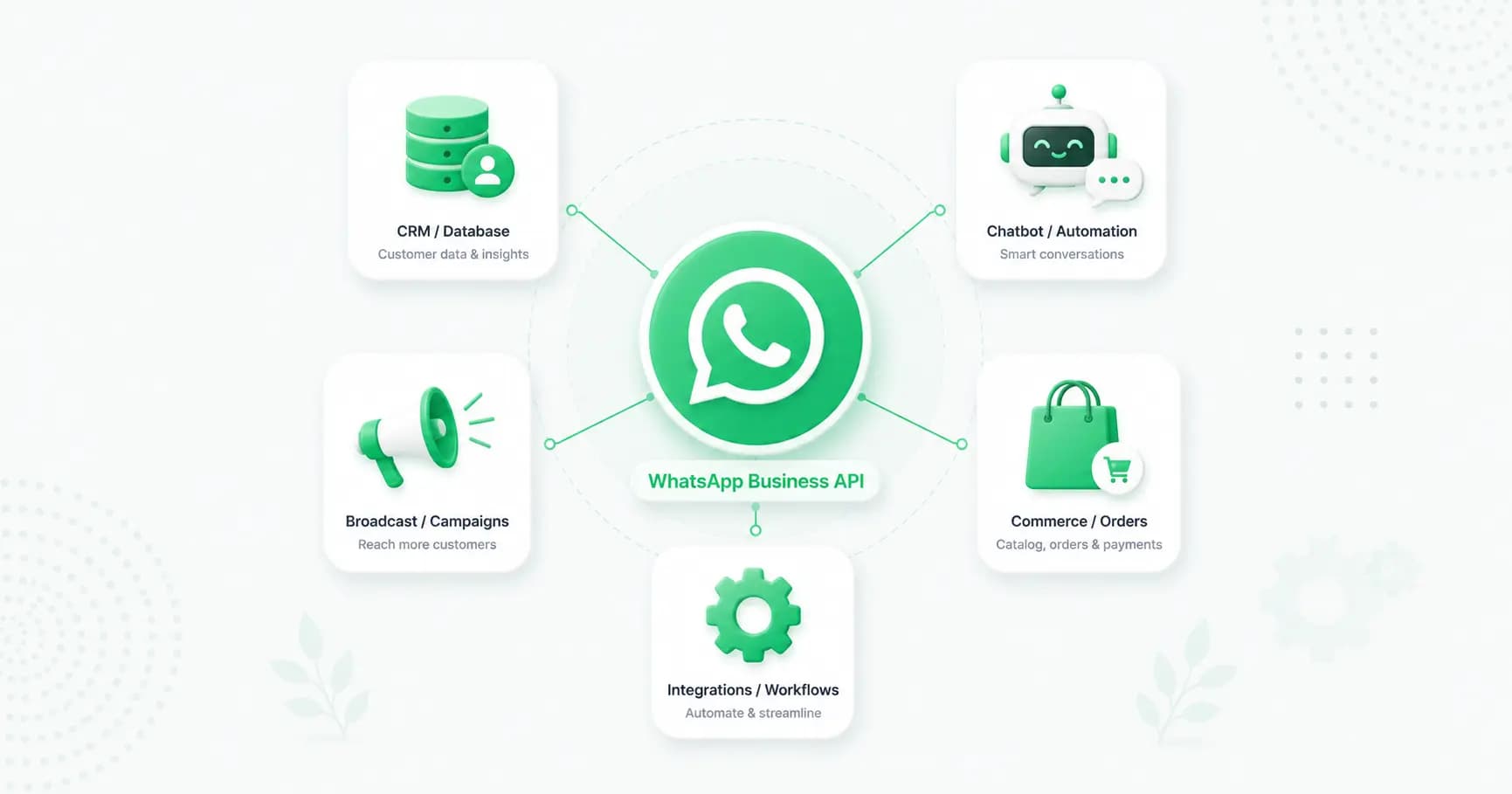
What Is the WhatsApp Business API? The Complete Guide (2026)
The WhatsApp Business API lets businesses message customers at scale with automation, chatbots and a team inbox. This complete 2026 guide explains what it is, how it differs from the WhatsApp Business app, what it costs, the new Cloud API and Coexistence, how to get set up, and how to get verified.
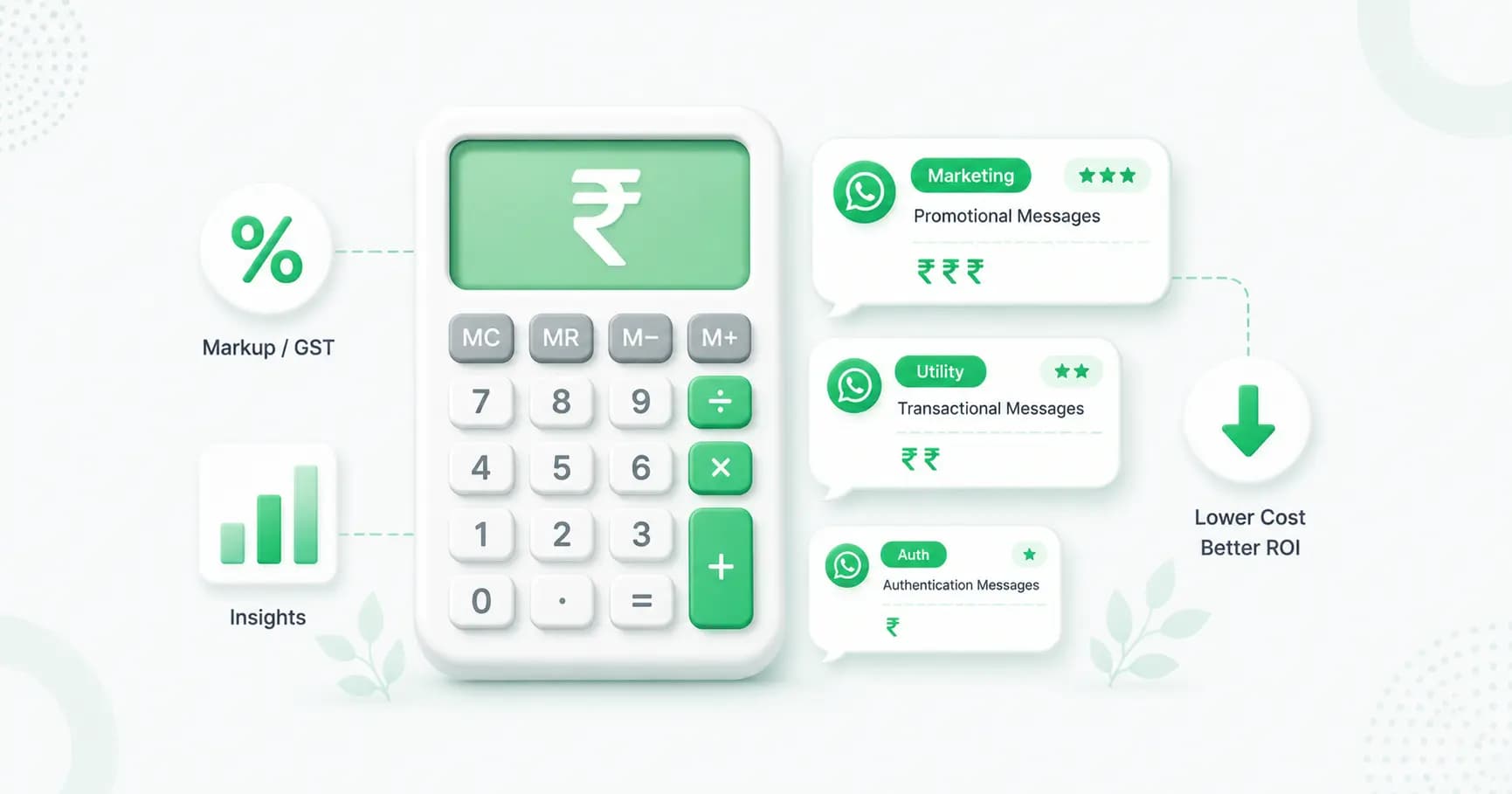
WhatsApp Business API Pricing Calculator: Estimate Your Cost (2026)
Estimate your monthly WhatsApp Business API cost in seconds. Enter your marketing, utility and authentication message volumes and our free calculator shows your bill using Meta's 2026 India rates — provider markup and 18% GST included.